Busy Salon Books 35% More Appointments by Eliminating Hold Times
Every salon owner knows the dilemma. A stylist is mid haircut when the phone rings. Do they stop to answer, potentially nicking their client or disrupting their flow? There are no good options. Until now.
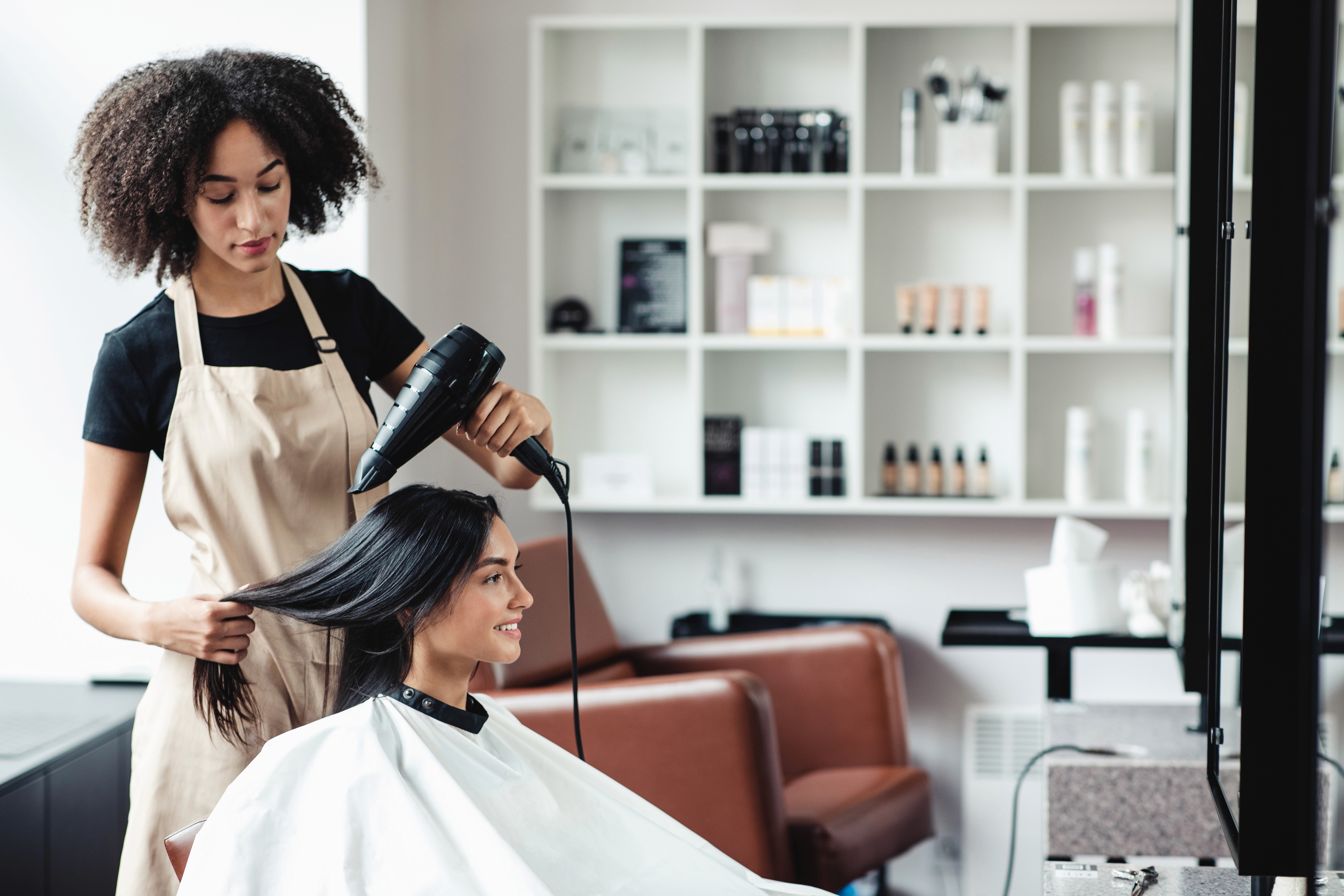
Sage & Stone, a nine person salon and spa in Denver, found that their phone system was creating problems on both sides of the conversation. Clients calling waited on hold or reached voicemail. Clients in the chair felt neglected when their stylist stepped away to answer calls. The phone was damaging experiences for everyone.
The Challenge
Natalie opened Sage & Stone eight years ago. She built a loyal clientele and assembled a talented team. The salon had a reputation for excellent work and personalized service. But as the business grew, phone management became increasingly problematic.
"During peak hours, we'd have three or four calls holding at once," Natalie recalls. "My front desk person was checking people out, answering the phone, greeting walk ins, and processing product sales simultaneously. Something always suffered."
The stylists felt the pressure too. In a service where precision matters, stopping mid cut to answer the phone disrupted their work. Some stylists started ignoring the phone entirely, which meant missed calls. Others would answer while working, which clients found unprofessional and sometimes unsafe.
Natalie tracked their call handling for one month. The numbers were troubling:
Average hold time: 2 minutes, 40 seconds. For callers trying to book a 15 minute appointment, waiting nearly 3 minutes on hold felt excessive.
Call abandonment rate: 23%. Nearly one in four callers hung up before being answered. Where did they go? Probably to another salon that answered faster.
Voicemail return rate: 31%. Two thirds of voicemails were never successfully returned. Phone tag continued until the caller either gave up or booked elsewhere.
"I estimated we were losing 40 to 50 potential bookings weekly," Natalie says. "At our average service value of $95, that's roughly $4,000 per week in missed revenue. That's a full time salary just evaporating because we couldn't answer phones fast enough."
The Solution
Natalie heard about voice AI from her daughter, who worked at a tech company. Initially dismissive, she became curious when her daughter mentioned it could actually book appointments, not just take messages.
She piloted Hello Gubby with a two week trial. All calls would go to AI first. If callers needed to speak with someone specifically, they could be transferred. Otherwise, the AI would handle booking, questions, and cancellations.
The setup focused on Sage & Stone's specific services and staff. Which stylist does color? Who handles extensions? What times are available for a Brazilian blowout? The AI was trained on the full service menu, each team member's specialties, and the salon's scheduling policies.
"I was nervous about how regular clients would react," Natalie admits. "Some of them have been coming here for years. Would they feel brushed off by talking to AI?"
The reaction surprised her. Client after client mentioned how nice it was to book immediately instead of waiting on hold. One long time client specifically thanked her: "I used to dread calling because I knew I'd be on hold. Now I call, book in two minutes, and I'm done."
The Results
Six months of operation has transformed both the business metrics and the daily experience:
Appointment bookings up 35%. The salon went from approximately 280 bookings per week to 378. Same marketing spend, same location, same team. The difference was answering every call and booking immediately.
Hold time: zero. Every call is answered on the first ring. No more waiting, no more hold music, no more abandonment.
Call abandonment down from 23% to 2%. The remaining 2% are callers who hang up within 3 seconds, before the AI can greet them. Essentially everyone who calls gets helped.
Revenue increase of approximately $3,200 weekly. The additional bookings at average service value add up to significant revenue growth. Over a year, that's more than $160,000.
Client satisfaction scores up 18%. The salon's post visit surveys showed marked improvement in "ease of booking" and "phone experience" ratings.
The Focus Tax, Eliminated
Natalie had previously written about what she calls "the focus tax": the hidden cost of phone interruptions on service quality. With Hello Gubby, that tax disappeared.
"Watch a stylist when the phone rings," she observes. "Even if they don't answer, there's a moment of distraction. Their attention splits. They might be mid highlight or mid cut. That split second can mean uneven color or an imperfect line."
Now the phone never rings in the salon. All calls go directly to Hello Gubby. Stylists remain focused entirely on their clients. The work quality has improved because the interruptions stopped.
"Several clients have mentioned that their stylist seems more present now," Natalie reports. "They don't realize it's because the phone isn't ringing. They just feel better served."
The team's stress levels have dropped noticeably. Stylists no longer feel torn between the phone and the client. The front desk manager, previously overwhelmed by simultaneous demands, now has time to provide excellent in person service.
How Booking Works Now
A typical booking call flows smoothly:
Caller: "Hi, I'd like to book a haircut and color."
AI: "I'd be happy to help you book that. Do you have a preferred stylist, or would you like me to check availability across our team?"
Caller: "I usually see Jennifer."
AI: "Jennifer has availability for a haircut and color next Tuesday at 10 AM or Thursday at 2 PM. Would either of those work for you?"
Caller: "Thursday at 2 is perfect."
AI: "Great. I have you booked with Jennifer on Thursday at 2 PM for a haircut and color. Can I confirm your phone number for appointment reminders?"
The entire conversation takes about 90 seconds. No hold time, no transfer, no callback needed. The appointment appears in the salon's system immediately.
For more complex requests, like new clients wanting recommendations, the AI asks questions: What type of hair do you have? What look are you going for? Then it suggests appropriate stylists and services before booking.
Features That Made the Difference
Natalie highlights several capabilities that proved especially valuable:
Service menu knowledge. The AI understands the difference between a basic cut and a precision cut, between balayage and traditional highlights. It can discuss services accurately and book the right service time.
Stylist specialties. Not every stylist does every service. The AI knows who handles extensions, who does bridal styling, who specializes in curly hair. It matches clients with appropriate stylists.
Real time availability. The AI sees actual calendar availability, not cached data. When a slot books, it's immediately unavailable for the next caller. No double booking issues.
Cancellation handling. When clients call to cancel, the AI captures the reason, offers rebooking options, and opens the slot for other clients. This happens 24/7, not just during business hours.
Waitlist management. For popular time slots, the AI can add callers to a waitlist. If a cancellation opens up, the waitlisted client is notified automatically.
Staff Response
Natalie was prepared for pushback from her team. Instead, she found enthusiasm.
"The stylists love it," she says. "They were tired of the phone interrupting their work. They were tired of feeling guilty for not answering. Now they can focus completely on craft."
The front desk manager, Sarah, was initially worried about her role. Her experience has been positive: "I was drowning before. Now I can actually greet clients properly, handle checkout without rushing, and manage the retail side of the business. I'm doing a better job because I'm not constantly interrupted."
Sarah still handles complex situations: resolving booking conflicts, addressing complaints, managing difficult conversations. But the routine booking and question calls that consumed most of her time are now handled automatically.
The 24/7 Advantage
An unexpected benefit has been after hours booking. Sage & Stone previously couldn't take appointments outside business hours. Voicemail was the only option.
"We're seeing significant booking volume between 8 PM and 10 PM," Natalie observes. "People finishing their day, looking at their calendar, realizing they need an appointment. Before, they'd leave a voicemail and maybe call back the next day, or maybe forget. Now they book immediately."
Weekend bookings have also increased. Clients can book Sunday evening for the coming week without waiting until Monday morning to call.
"Our schedule for Monday is basically full before we even open the door," Sarah notes. "That used to happen maybe once a month. Now it's every week."
Advice for Other Salons
Natalie shares her experience with other salon owners regularly:
"Track your hold times and abandonment rates first. You probably don't realize how bad it is because you're busy. The numbers will surprise you."
"Don't worry about regulars feeling neglected. They actually prefer faster booking. Nobody enjoys hold music, even loyal clients."
"Think about what your team is doing while answering phones. Every minute they spend on calls is a minute not serving the client in front of them. The focus tax is real."
"Start with booking only. Get comfortable with that. Then expand to cancellations, questions, and product inquiries. Build confidence gradually."
Her final thought: "I used to think answering phones was just part of running a salon. It's not. It's a problem that now has a solution. The question is how long you want to keep losing bookings before you solve it."